Bryan Sayers
August 9, 2025
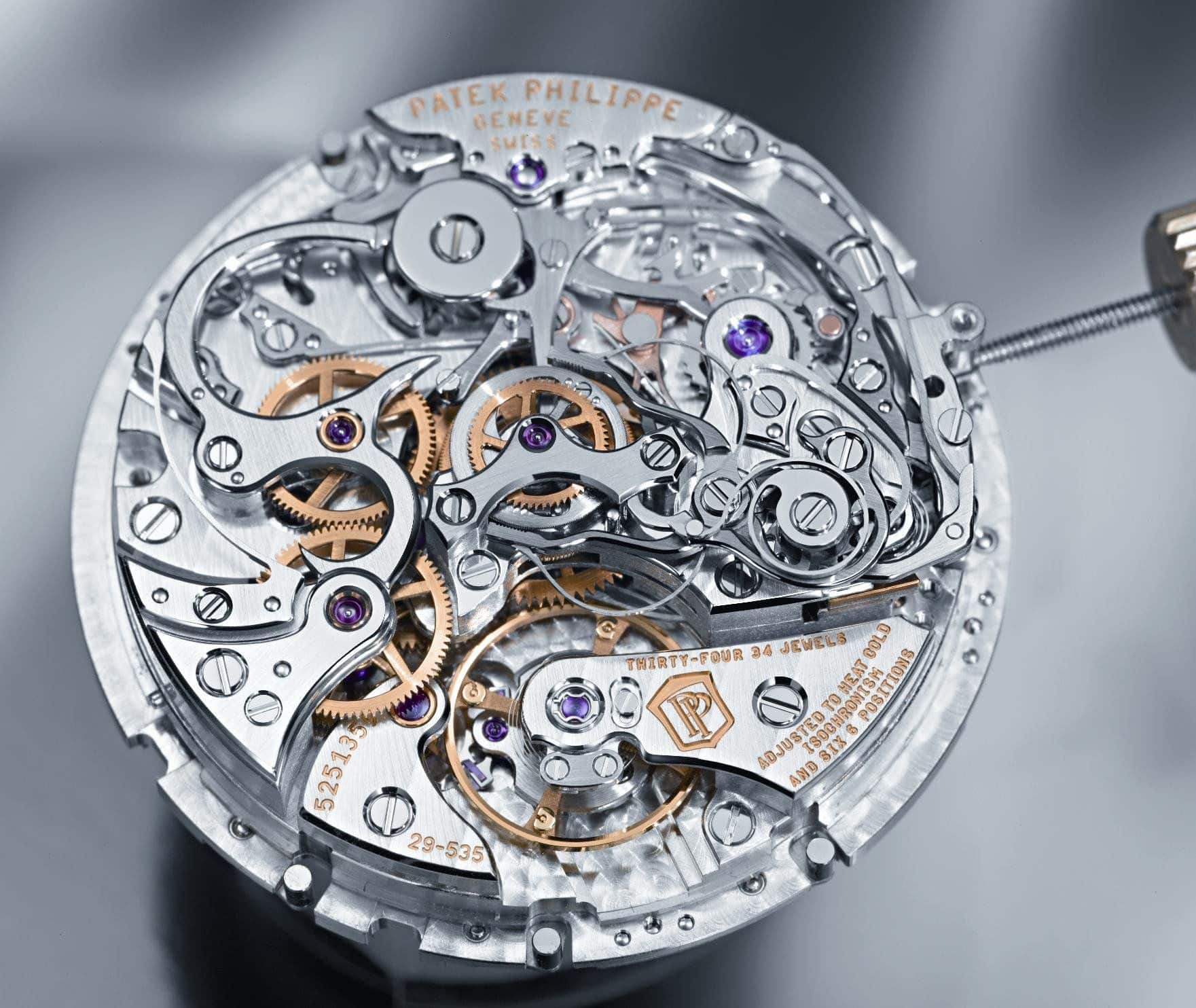
Watches are more than just time-telling tools, they’re miniature marvels of engineering, style, and tradition. Whether you’re a seasoned collector or a curious newcomer, understanding the differences between automatic, quartz, and manual watches is essential to appreciating what makes each unique. These three types of movements define how a watch operates, how it’s powered, and how it connects to the wearer.
Let’s break down the distinctions, advantages, and quirks of each.
Manual Watches: The Purist’s Choice
How They Work: Manual watches, also known as hand-wound watches, are powered by winding the crown. This action tightens the mainspring, which slowly unwinds to drive the gears and hands. It’s the oldest form of watch movement and often found in pocket watches, vintage or high-end mechanical timepieces.
Pros:
- Craftsmanship: Manual watches often showcase exquisite mechanical artistry.
- No Battery Required: They rely solely on mechanical energy.
- Slim Profile: Without a rotor (used in automatics), manual watches can be thinner and more elegant.
Cons:
- Daily Winding: Most need to be wound every 24 to 48 hours.
- Delicate Mechanism: Over-winding or improper handling can damage the movement.
- Less Accurate: Compared to quartz, manual watches may lose or gain several seconds per day.
- Who It’s For: Manual watches appeal to traditionalists who enjoy the ritual of winding and admire the intricate mechanics behind the dial. They’re often chosen for their heritage and aesthetic value rather than precision.
Automatic Watches: Self-Winding Elegance
How They Work: Automatic watches are essentially manual watches with a twist; they wind themselves using a rotor that spins with the movement of your wrist. This rotor transfers energy to the mainspring, keeping the watch running as long as it’s worn regularly.
Pros:
- Convenience: No need to wind daily if worn consistently.
- Mechanical Charm: Like manual watches, automatics are admired for their craftsmanship.
- Power Reserve: Many offer 40 to 80 hours of stand-alone reserve, depending on the movement, but can stay running indefinitely with enough movement.
Cons:
- Maintenance: They require regular servicing (typically every 3 to 5 years).
- Bulkier Design: The rotor adds thickness to the case.
- Less Accurate Than Quartz: Though better than manual, they still drift slightly over time.
Who It’s For: Automatic watches are ideal for those who want the beauty of mechanical movement without the hassle of daily winding. They’re popular among enthusiasts who wear their watches often and appreciate the blend of tradition and convenience.
Quartz Watches: Precision Meets Practicality
How They Work: Quartz watches use a battery to send an electric current through a quartz crystal, causing it to vibrate at a precise frequency. These vibrations send an impulse to a stepper motor that control the movement of the watch hands, resulting in highly accurate timekeeping.
Pros:
- Exceptional Accuracy: Typically deviates only a few seconds per month.
- Low Maintenance: Battery changes every 3 to 5 years; minimal servicing required and often cheaper than mechanical watches.
- Affordable: Quartz movements are cheaper to produce, making them accessible.
- Slim and Lightweight: Ideal for everyday wear.
Cons:
- Less “Soul”: Lacks the mechanical complexity and artistry of manual or automatic watches.
- Battery Dependency: Eventually needs replacement.
- Lower Prestige: Often seen as less luxurious, though high-end quartz models do exist.
Who It’s For: Quartz watches are perfect for those who prioritize reliability, affordability, and ease of use. They’re especially popular in sports, fashion, and casual use, where precision and practicality matter most.
Choosing the Right Movement for You
When deciding between automatic, quartz, and manual watches, consider your lifestyle, preferences, and values:
| Feature | Manual | Automatic | Quartz |
| Power Source | Hand-wound | Wrist movement | Battery |
| Accuracy | Moderate | Good | Excellent |
| Maintenance | High | Moderate to High | Low |
| Prestige | High (traditional | High (modern classic) | Moderate to low |
| Price Range | Mid to high | Mid to high | Low to high |
| Ideal For | Collectors, purists | Enthusiasts, daily wearers | Casual users, professionals |
Final Thoughts
Each type of watch movement offers a unique experience. Manual watches invite you into a centuries-old tradition of craftsmanship. Automatic watches blend artistry with convenience. Quartz watches deliver unmatched accuracy with minimal fuss.
Whether you’re drawn to the ticking heartbeat of a mechanical movement or the silent precision of quartz, the right watch is the one that resonates with your rhythm. After all, time is personal and so is how you choose to wear it.