Bryan Sayers
June 23, 2025
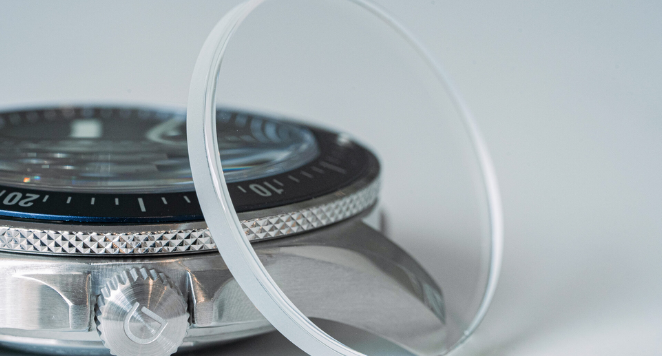
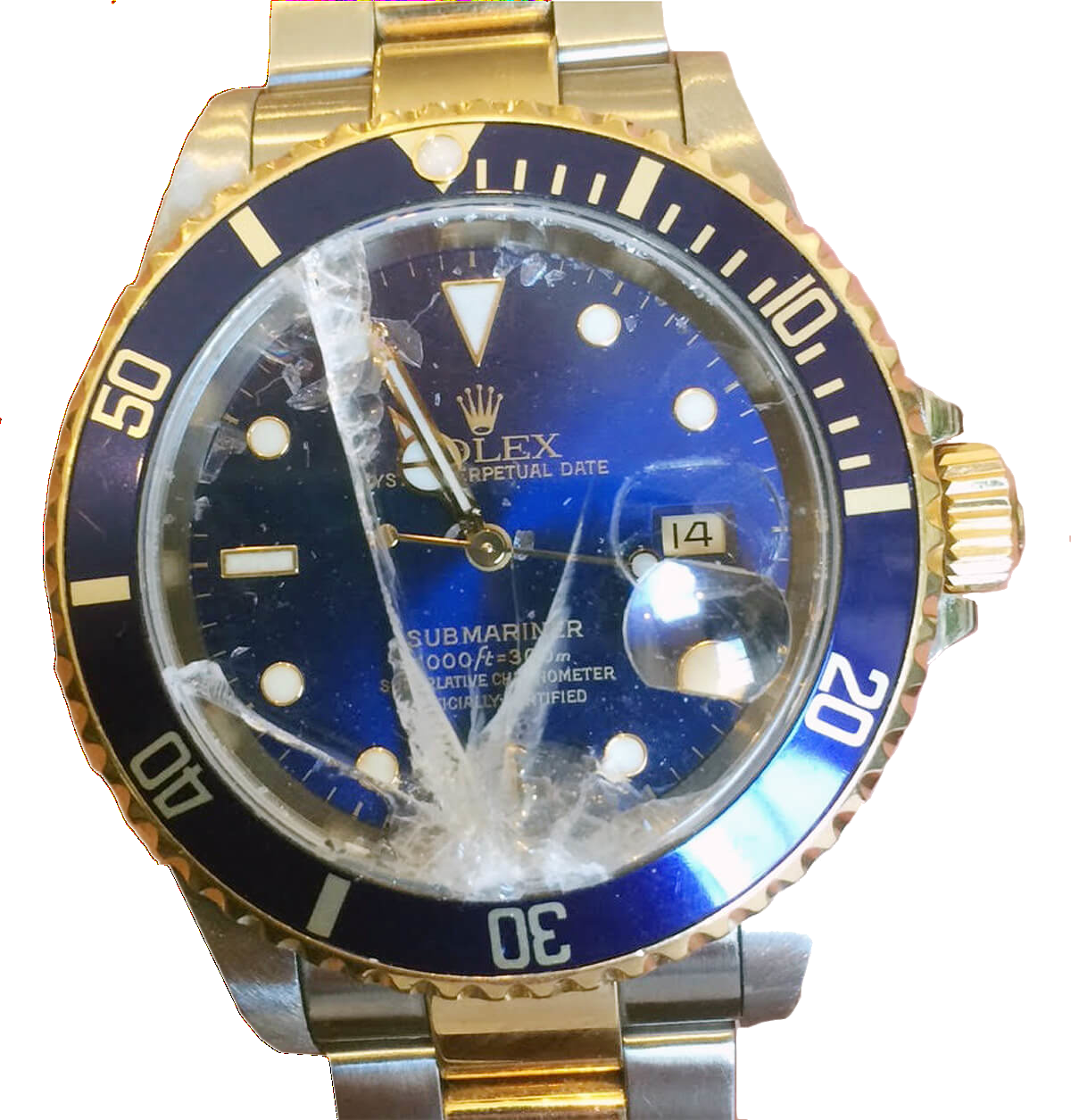
Watch crystals are one of those things most people don’t give much thought to, until you have no choice but to think about it. This is usually because of a cracked crystal, or maybe one that is very scuffed and scratched and it’s become difficult to read the time. Maybe you want to change it out for one that has an AR coating (anti-reflective) to reduce glare. There are numerous reasons as to why you might have your watch’s crystal on your mind. This article is going to discuss the 3 types of crystals and each of their pros and cons.
Acrylic/Plastic Crystals
This was the standard for the longest time. Glass was often deemed way to expensive for most watches and it was near impossible to make crystals that were a special shape. Because of this, the vast majority of watches had acrylic crystals. Their not so common on new watches, unless it’s a very weird shape and glass is out of the price range. Acrylic was nice because it could be molded into any shape and was cheap.
The one major downside to acrylic is the material was highly susceptible to deep scratches and scuffing, making it hard to see the dial and hands. This meant you were constantly having to polish your watch if you wanted to keep your watch in good working order. The other issue you can sometimes see with acrylic crystals is they will start to take on yellowish hue, thought this takes quite a while to achieve. This may not be a bad thing, depending on who you ask. Some people adore patina like this and are turned away if it’s removed for any reason.
If you have a cracked acrylic crystal, or can’t read the time, it’s best to contact me for a quote. Special tools are required to open watch’s, remove bezels, properly seat crystals, etc…
Mineral Glass
Next on the list, in what most would say is the middle tier option, is mineral glass. This type of crystal offers decent protection and durability, while not too expensive. This option is still used today by many prominent makers such as Citizen, Bulova, and Casio just to name a few. Like acrylic crystals, if will take on some scratches and scuff marks along the way but it wont be no where near as much. You can polish away some scuffs and scratches, like acrylic, but the process is far more intensive and therefore costs more. Though, it must be noted that the polishing process might not work if the scratch is too deep.
The main bad thing about mineral crystals is that it’s really a glass. This means that it is prone to shattering upon impacts. The good news is that it does take a rather good thwack to break it, but it can most definitely happen! The problem here is that once the glass receives shock/impact damage, the glass shatters and creates little shards that can really wreak havoc on a watch. It can scratch dials, font, date/calendar rings, or even work it’s way into the movement itself and really do some damage. When dealing with micromechanics and precision down to hundredths of a millimeter, it doesn’t take much to break stuff!
Sapphire Crystal
The last type of crystal, and probably the most used in the modern era of watchmaking, is the Sapphire crystal. As the name implies, it is made from sapphire. It is, in fact, a solid piece of lab grown sapphire. From a hardness standpoint, the only thing harder then this is diamond. This means scratching this type of crystal is near impossible! You can take a razor blade and, with all your strength, try to scratch the crystal… but you will not succeed! This type of crystal is incredibly durable which is why it’s used by every maker, in some degree or another. The crystal provides a long lasting, clear view of the dial that is never obstructed with scratches.
However, as with all things, there are some cons to point out here. First, the price of this type of crystal is considerably more expensive than the previously two mentioned options. The other downside is that, like mineral glass, it is prone to shattering. In fact, even more so than mineral glass. Generally speaking, the harder something is the more brittle it becomes. It’s not really possible to polish this type of crystal. Thankfully, that wont really be an issue with it’s high scratch resistance.
AR Coating
The last thing I wanted to talk about is AR (anti-reflective) coatings. This is a process that applies a thin film of anti-reflective coating onto the crystal. This is usually done on the underside of the crystal, though it can be done on both sides. The reason this is done is as the name implies, it cuts down on the reflective glare the crystal puts off from light exposure. This will make it much easier to read the dial in broad day light. Obviously, this does increase the cost of the crystal and generally only found in high end watches.
In summary, crystals aren’t so simple when you really get down to the different aspects of them. They each require individual knowledge and know-how, as well as require specialized tooling for each type of crystal. The tools and dies used to compress and fit an acrylic crystal are different than the tool/dies used to press in a sapphire crystal. It’s important this job is done right to keep out moisture and dirt, both of which can cause serious damage to your watch.
If you have a watch with a scratched or broken crystal and need it fixed, please contact me to get a quote and I will be more than happy to assist you!